The Alchemist: Key Ideas
Paulo Coelho’s The Alchemist, first published in Portuguese in 1988, follows Santiago from Andalusia to the Egyptian desert in search of a treasure he has dreamed of. These 27 cards skip the chapter-by-chapter plot and focus on what the story teaches: the Personal Legend, the omens, beginner’s luck, Maktub and the people who shape Santiago’s journey.
Read the summary of The Alchemist →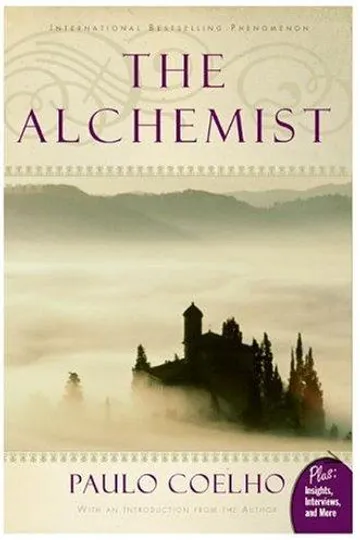
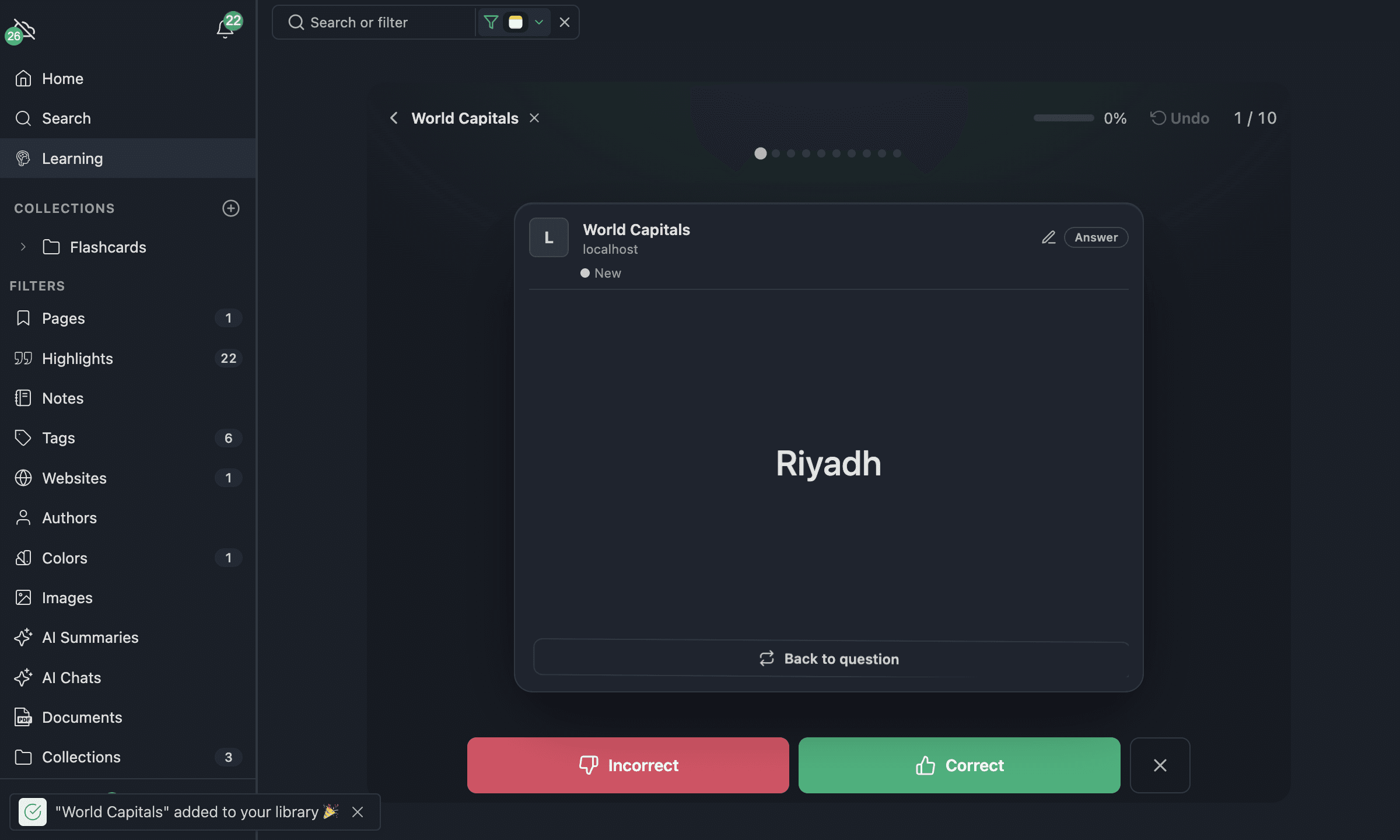
Practice this set for free — no account needed. Loads 27 flashcards into the learner.
Practice in the free learnerHow to study this set
Pair each character with the one lesson they teach Santiago. If you can name the lesson behind the crystal merchant, the camel driver and the alchemist, you have the book.
All 27 flashcards
What is the central message of The Alchemist?
Follow your Personal Legend — when you truly pursue your dream, the universe helps you reach it.
What is a Personal Legend?
What you have always wanted to accomplish — the purpose each person is meant to fulfill.
Who is Santiago?
A young Andalusian shepherd who left the seminary to travel, then leaves his flock to seek a treasure.
His parents had hoped he would become a priest.
What sets Santiago’s journey in motion?
A recurring dream of treasure hidden near the Egyptian pyramids.
What do Santiago’s sheep represent?
Settling for comfort: they care only about food and water and simply follow wherever they are led.
What does the baker illustrate?
People who give up their dreams because they care more about what others think of them.
He wanted to travel but chose the more respected trade.
Who is Melchizedek?
The King of Salem, who teaches Santiago about the Personal Legend and urges him to follow the omens.
As his price he asks for a tenth of Santiago’s flock.
What are Urim and Thummim?
A black stone and a white stone, meaning yes and no, that the king gives Santiago to help read omens.
The king still tells him to make his own decisions.
What are omens in The Alchemist?
Signs through which the universe speaks, guiding a person toward their Personal Legend.
What is beginner’s luck, according to the novel?
The principle of favorability: life grants early success to spur newcomers on toward their dream.
The novel adds that every search ends with the seeker being severely tested.
What choice does Santiago face after being robbed in Tangier?
To see himself as the victim of a thief or as an adventurer in search of treasure.
He chooses the adventurer — the same facts, a different story.
What does “Maktub” mean?
“It is written” — an Arabic word expressing that events are fated.
Santiago hears it from the crystal merchant.
What lesson does the crystal merchant teach?
Fear of fulfilling a dream keeps people stuck: he never makes his pilgrimage to Mecca so he still has a dream to live for.
How does the Englishman differ from Santiago?
He tries to learn alchemy from books, while Santiago learns by observing the world and listening.
What does the camel driver teach Santiago?
To live in the present: pay full attention to today and the future takes care of itself.
Who is Fatima?
A woman of the Al-Fayoum oasis whom Santiago loves; she wants him to continue his journey.
The novel holds that true love never stands in the way of a Personal Legend.
Which omen makes Santiago an adviser at the oasis?
A vision of two hawks fighting, which warns that the oasis is about to be attacked.
What is the Language of the World?
The wordless language of omens, intuition and love through which all things communicate.
What is the Soul of the World?
The spiritual force that connects all things; those who pursue a dream can draw on it.
What does the alchemist teach Santiago about his heart?
To listen to it: the heart knows where the treasure lies and speaks the Language of the World.
How does the alchemist answer the fear in Santiago’s heart?
Being afraid of pain can hold you back more than the pain would.
What must Santiago do to prove himself to the desert tribesmen?
Turn himself into the wind, by speaking with the desert, the wind, the sun and the Hand that wrote all.
What is the Master Work of alchemy?
The Philosopher’s Stone and the Elixir of Life, reached by understanding the Soul of the World.
What does alchemy symbolize in the novel?
Personal transformation: like metal refined into gold, people grow into their best selves by pursuing their Personal Legend.
Where does Santiago finally find his treasure?
Back in Spain, buried under the sycamore at the ruined church where his journey began.
What is the lesson of the novel’s ending?
The treasure was near home all along, but only the journey could reveal it and change him.
Which four obstacles to a Personal Legend does Coelho name in his introduction?
Being told it is impossible, love for those around us, fear of defeat, and fear of realizing the dream.
From the introduction to later editions of the book.