The 5 Love Languages: Key Ideas
Gary Chapman’s The 5 Love Languages (1992) argues that every person has a primary way of feeling loved, and that relationships falter when partners speak different languages. These 22 cards cover all five love languages with their dialects, the love tank, why the in-love feeling fades, and how to find your own language and your partner’s.
Read the summary of The 5 Love Languages →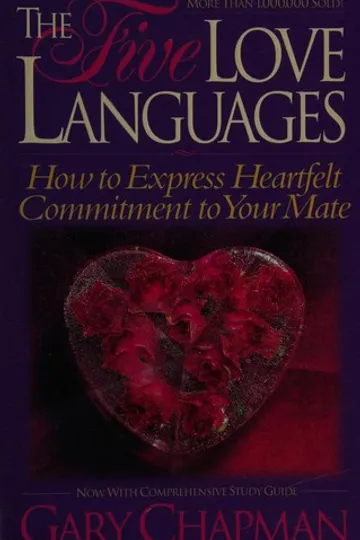
Practice this set for free — no account needed. Loads 22 flashcards into the learner.
Practice in the free learnerHow to study this set
Learn the five languages first, then practice the three questions for finding a primary language on yourself. Guessing a friend’s language from how they show affection is good extra practice.
All 22 flashcards
What is the core idea of The 5 Love Languages?
People give and receive love in different ways; love lands when you speak your partner’s primary love language.
What are the five love languages?
Words of affirmation, quality time, receiving gifts, acts of service and physical touch.
Why do partners often feel unloved despite real effort?
Each expresses love in their own language, which the other may not understand as love.
Chapman compares it to speaking a foreign language.
What is the “love tank”?
Chapman’s image for a person’s need to feel loved; speaking their love language keeps it full.
How long does the “in love” experience last on average, according to the book?
About two years.
Chapman cites psychologist Dorothy Tennov’s research on romantic obsession.
What takes over when the “in love” phase fades?
Real love, which is a choice and takes effort rather than a feeling that simply happens.
What does the love language “words of affirmation” involve?
Expressing love in words: compliments, encouragement and kind, appreciative things said out loud.
What does “quality time” mean as a love language?
Giving someone your full, undivided attention.
Why is watching TV together not always quality time?
Quality time needs attention focused on each other, not just being in the same room.
Which listening habits does Chapman recommend for quality conversation?
Keep eye contact, stop other tasks, listen for feelings, watch body language and don’t interrupt.
What does “receiving gifts” mean as a love language?
Gifts as visible symbols of love — what counts is the thought, not the price.
What does Chapman call “the gift of self”?
Being physically present when your partner needs you, especially in a crisis.
What does “acts of service” mean as a love language?
Doing things your partner would like done — such as cooking or chores — freely and willingly.
Why should acts of service be requested, never demanded?
Asking for what you need helps; demanding, guilt-tripping and criticizing shut love down.
What does “physical touch” mean as a love language?
Feeling loved through touch — holding hands, hugs, a hand on the shoulder.
What are dialects of a love language?
Specific ways of speaking it — quality time, for example, includes quality conversation and quality activities.
How can you discover your own primary love language?
Notice what hurts you most, what you ask for most often, and how you usually express love.
What hurts most is often the opposite of your love language.
How can you discover your partner’s love language?
Watch how they show love, what they complain about most and what they request most often.
Does a person have only one love language?
Each person has a primary love language, and many also have a secondary one.
Can you speak a love language that doesn’t come naturally to you?
Yes — love is a choice, and any language can be learned with practice.
Where did Gary Chapman get the five love languages from?
From years of notes as a marriage counselor, where the same patterns kept recurring.
Do the love languages apply only to couples?
No — Chapman later applied them to children, teenagers and, as languages of appreciation, the workplace.